



Your Complete Acoustic Wall Panel Buying Guide
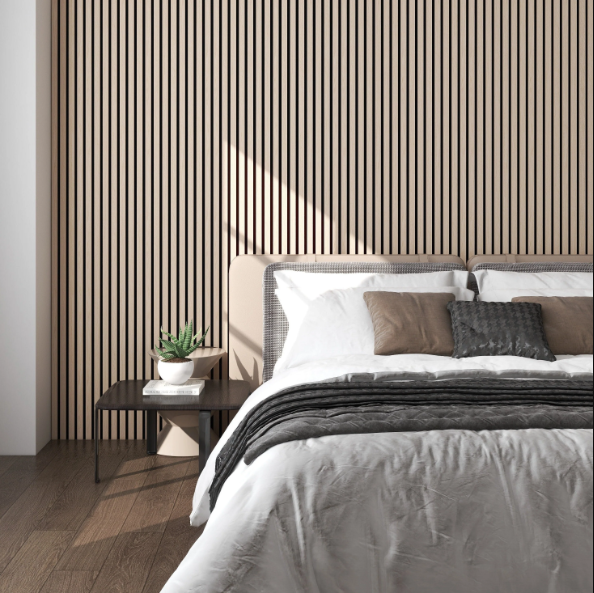
You’ve perfected the colors and textures, but does your room feel right? Sound is the unsung hero of interior design. A beautiful space can be ruined by a harsh, distracting echo. But the solution is no longer about hiding ugly foam squares. Today, an acoustic wall panel is a piece of functional art. These decorative panels are meant to be seen, adding depth and character to your walls. From sleek wood slats to rich, patterned felt, they absorb unwanted noise and turn a plain wall into a stunning feature. It's the secret to a room that looks and sounds incredible.
Key Takeaways
- Treat Sound and Style as One Project: Modern acoustic panels are designed to be seen, acting as functional art that absorbs echoes. Choose materials and patterns, like natural wood or geometric designs, that enhance your room's aesthetic while creating a calmer, more focused environment.
- Match the Material to Your Acoustic Goal: A panel's effectiveness depends on its material and NRC (Noise Reduction Coefficient) rating. First, define what you need—like clearer conversations or less background chatter—and then select a material with the right NRC score to solve that specific sound problem.
- Plan Your Layout for the Best Results: Strategic placement is crucial for effective sound control. Before installing, assess your space to identify primary noise sources and reflection points. Covering these key areas, rather than just one small wall, will provide the most significant improvement in sound quality and comfort.
What Are Decorative Acoustic Wall Panels?
If you’ve ever been in a room with a distracting echo—a minimalist office, a restaurant with high ceilings, or even your own living room—you know how much sound can affect a space. Decorative acoustic wall panels are the perfect solution, designed to solve two problems at once: they absorb unwanted noise while also adding a major style element to your walls. Think of them as functional art. Unlike old-school, purely utilitarian soundproofing materials that you’d want to hide, these panels are meant to be seen. They come in a huge variety of textures, colors, and patterns, from sleek wood slats to soft felt designs.
The core idea is simple: you shouldn’t have to choose between a room that looks good and one that sounds good. Whether you’re designing a productive home office, a peaceful bedroom, or a welcoming commercial space, these panels help create a more comfortable and focused environment. They work by trapping sound waves that would otherwise bounce off hard surfaces like drywall, glass, and hardwood floors. By integrating Acoustic Wall Panels into your design, you can quiet the noise and refine your aesthetic in one move.
How Do Acoustic Panels Actually Control Sound?
Hard surfaces are like mirrors for sound—they reflect it, causing echoes and reverberation that can make a room feel loud and chaotic. Acoustic panels act more like sponges. Instead of reflecting sound waves, their porous materials absorb them. When sound hits a panel, it travels into the soft, fibrous core, where the sound energy is converted into a tiny amount of heat, effectively stopping the echo in its tracks. This process, called sound absorption, is what makes a room feel calmer and conversations clearer. By strategically placing panels on your walls, you can interrupt the path of bouncing sound waves and create a much more pleasant acoustic environment for everyone.
A Quick Lesson in Sound Absorption
The effectiveness of an acoustic panel is all about its ability to absorb sound energy. This is measured using a rating called the Noise Reduction Coefficient, or NRC. The NRC scale runs from 0 to 1. A material with an NRC of 0, like painted concrete, absorbs no sound at all. A material with an NRC of 1.0 absorbs 100% of the sound that hits it. Most high-quality acoustic panels have an NRC rating of 0.85 or higher, meaning they absorb at least 85% of the sound. The more panels you install, the more surface area you have for absorption, which leads to a quieter room.
Why Material Choice Is Key for Performance
The materials used to construct an acoustic panel are critical to its performance. Most panels have a core made from dense, porous materials like mineral wool or PET felt, which are excellent at trapping sound waves. The exterior finish also plays a role. For example, our Unfinished Wood Wall Panels often feature wood slats over a soft felt backing. The wood helps to scatter, or diffuse, sound in different directions, while the felt backing absorbs it. This combination of diffusion and absorption is highly effective at controlling a room’s acoustics. The key is finding a balance between high-performing materials and a design that fits your vision.
What Do Acoustic Ratings Mean?
When you’re shopping for acoustic panels, the NRC is the most important number to look for. A higher NRC means better sound absorption. For most applications, like offices, living rooms, or restaurants, an NRC of 0.80 or above is considered very effective. For example, a panel with an NRC of 0.90 will absorb 90% of the sound that comes into contact with it. Panel thickness also matters—thicker panels can typically absorb a wider range of sound frequencies, especially lower bass tones. When comparing products, check the NRC and consider the specific acoustic challenges of your space to make sure you’re choosing a panel that will deliver the results you need.
Acoustic Wall Panel Designs for Every Style
Long gone are the days of plain, uninspired acoustic panels that you’d want to hide in a corner. Today’s options are designed to be seen, acting as functional art that completes your room’s aesthetic. Whether you want a subtle backdrop or a bold focal point, there’s a style that fits your vision. Thinking about the overall look you want to achieve is the perfect starting point. From sleek and modern to warm and natural, you can find panels that not only control sound but also add character and texture to your walls. Let's look at some of the most popular design approaches.
Go Modern with Unique Patterns and Textures
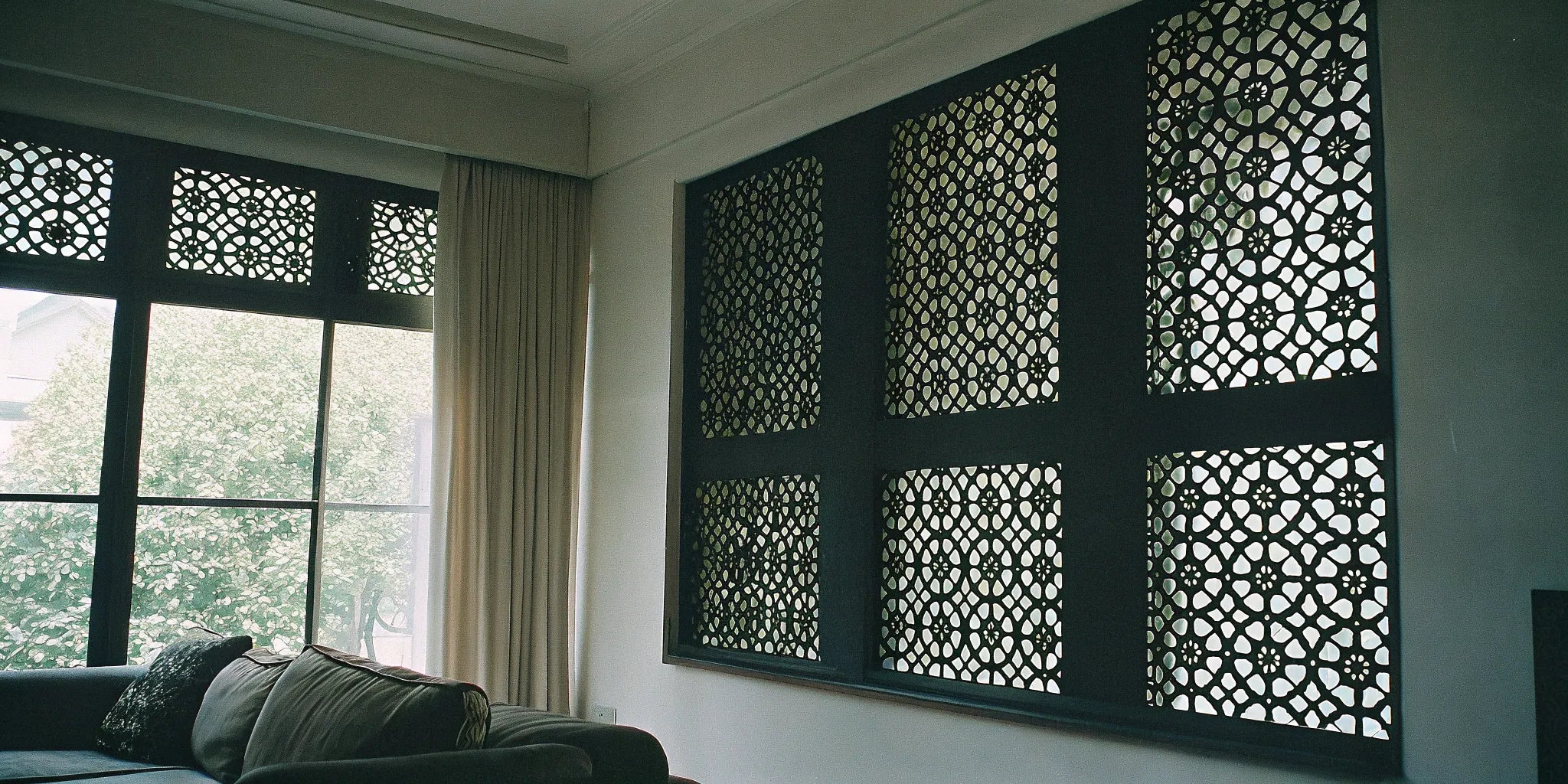
If you love clean lines and contemporary design, you’ll appreciate the shift toward textured and geometric acoustic panels. Think 3D patterns, crisp fluted slats, and interlocking shapes that turn a flat wall into a dynamic feature. These designs do more than just manage sound; they add depth and architectural interest to a space. You can create a stunning accent wall behind a reception desk or add a sophisticated touch to a conference room. Our collection of Acoustic Wall Panels includes options that can be arranged in unique configurations, giving you the creative freedom to make a statement that is entirely your own.
Bring the Outdoors In with Natural Designs
Bringing natural elements indoors is a timeless way to create a calm and inviting atmosphere. This is where nature-inspired acoustic panels truly shine. You can find options that feature the rich textures and warm tones of real wood, helping you achieve a biophilic design that connects your space to the outdoors. These panels are perfect for creating a serene environment in offices, healthcare facilities, or residential living areas. Consider using Natural Veneer Wall Panels to introduce an organic, grounding element that is both visually beautiful and acoustically effective, improving well-being while reducing noise.
Make It Your Own: Custom and Branded Panels
For businesses looking to reinforce their brand identity, custom acoustic panels offer a fantastic opportunity. Imagine your company logo, a specific brand color, or even a high-resolution image printed directly onto your panels. This transforms a functional necessity into a powerful branding tool that makes your space unique. Many suppliers can create personalized panels that align perfectly with your company’s aesthetic. This is an ideal solution for lobbies, boardrooms, and open-plan offices where you want to make a lasting impression. Trade professionals can often work directly with suppliers to develop these customized solutions for their commercial clients.
Choosing the Right Color and Finish
Color has a major impact on the mood of a room, and your acoustic panels can play a big role in setting the right tone. The possibilities are nearly endless, with panels available in a wide spectrum of colors, from soft, calming neutrals to vibrant, energetic hues. You can choose a color that seamlessly blends with your existing wall color for a subtle, integrated look. Or, you can go bold with a contrasting color to create an eye-catching feature wall. Exploring different wall panel collections will show you just how versatile modern acoustic treatments can be, allowing you to match any design scheme.
Sizing and Configuration: Getting the Perfect Fit
Acoustic panels are not a one-size-fits-all product. They come in various shapes, sizes, and thicknesses, giving you the flexibility to tailor them to your specific needs and space. You can cover an entire wall for maximum sound absorption or arrange smaller panels in a creative pattern for a more targeted acoustic and decorative effect. Don’t forget about the ceiling, which is often an underutilized surface for sound treatment. By mixing and matching different sizes and planning your layout, you can create a solution that fits your design preferences and your budget, ensuring both function and style are perfectly balanced.
Finding the Right Height for Your Space
When it comes to placing your acoustic panels, height matters just as much as location. A good rule of thumb is to center the panels at ear level, which is typically between four and six feet from the floor. This is the sweet spot where most sound waves from conversations or media will first hit the walls, so treating this area captures echoes right at the source. Think about how you use the room—if it’s a living room where you’re usually sitting, your ear level will be lower than in a home office where you might stand for calls. This kind of strategic placement is crucial. For even better performance, consider the corners of the room, as treating these areas can have a big impact on sound control. The thickness of your panels also plays a part; thicker panels are better at absorbing low-frequency sounds, so their placement can be adjusted to tackle specific acoustic issues.
Why Your Business Needs Acoustic Panels
Acoustic panels do more than just quiet a room—they transform it. By managing sound, you create an environment that feels better, functions more efficiently, and reflects your design vision. Whether you're designing a bustling restaurant, a collaborative office, or a peaceful home, incorporating acoustic solutions is a smart move. Let's look at the key reasons why your next project can benefit from them.
Say Goodbye to Distracting Noise and Echo
The most obvious benefit is, of course, sound control. In any space with hard surfaces like glass, concrete, or hardwood, sound waves bounce around, creating distracting echoes and raising the overall noise level. Acoustic Wall Panels are designed to absorb these sound waves instead of reflecting them. This process, known as sound absorption, significantly reduces reverberation and background chatter. The result is a calmer, more pleasant atmosphere where conversations are clearer and focus comes more easily. It’s a simple change that makes a huge difference in the comfort and usability of a room, from a busy office to a family living area.
Combine Beautiful Design with Quiet Spaces
Gone are the days of sacrificing aesthetics for acoustics. Modern acoustic panels are designed to be beautiful, acting as a key feature in your interior design. You no longer have to choose between a room that looks good and one that sounds good. With a huge variety of options, you can find panels that seamlessly blend into your existing decor or make a bold statement. Think rich wood tones, sleek geometric patterns, and a full spectrum of colors. You can even find Unfinished Wood Wall Panels that you can paint or stain to achieve a completely custom look, proving that functional design can also be incredibly stylish.
Create a More Productive, Focused Environment
Constant background noise is a major drain on productivity. Phones ringing, colleagues chatting, and the hum of equipment can make it nearly impossible to concentrate. By installing acoustic panels, you can create a more focused work environment. Studies on workplace acoustics show that reducing noise distractions leads to fewer errors, lower stress levels, and improved employee satisfaction. When your team can think clearly without fighting through a wall of sound, their performance naturally improves. It’s a direct investment in your business’s efficiency and your team’s ability to do their best work.
Promote Comfort and Well-Being
Acoustics play a huge role in how comfortable we feel in a space. A room with harsh, echoing sound can feel stressful and chaotic, while a room with balanced acoustics feels calm and welcoming. By managing sound, you create an environment that supports overall wellness. In a restaurant, it means diners can enjoy their conversations. In a healthcare setting, it means patients feel more at ease. This focus on creating comfortable, human-centric spaces is a cornerstone of modern design. For professionals dedicated to this approach, our Trade Program offers access to materials that help you build healthier, more inviting environments for your clients.
Opt for Sustainable, Eco-Friendly Materials
You can improve your room’s acoustics while also making an environmentally conscious choice. Many high-performance acoustic panels are crafted from sustainable and recycled materials. For instance, PET felt panels are often made from recycled plastic bottles, diverting waste from landfills and giving it a new, functional purpose. Choosing these eco-friendly options allows you to meet your project's performance goals without compromising on your commitment to sustainability. As you browse different Wall Panels, you’ll find many solutions that align with green building standards, helping you create spaces that are good for people and the planet.
Where Can You Use Acoustic Wall Panels?
Acoustic wall panels are far more than just a functional fix for noisy rooms; they are a design tool that can transform the feel and effectiveness of any commercial space. By managing sound, you create a more comfortable and productive environment for everyone, whether they're employees, customers, patients, or students. The right panels can turn a chaotic open-plan office into a hub of focused work or a loud restaurant into a place for intimate conversation. They blend aesthetics with performance, proving that you don’t have to sacrifice style for sound control. From healthcare facilities to retail stores, integrating acoustic wall panels is a smart investment in the user experience. Let’s look at how different industries are using them to their advantage.
Acoustic Panels for the Modern Office
In today’s open-concept offices, noise is a major distraction. The constant chatter, ringing phones, and keyboard clicks can make it hard to concentrate. Acoustic panels are the perfect solution to this problem. They absorb sound waves, which helps reduce unwanted noise and soften distracting echoes. This creates a calmer, more focused atmosphere where your team can be more productive and less stressed. By placing panels on walls in conference rooms, collaborative areas, and individual workspaces, you can create distinct acoustic zones that support different types of work without building new walls. It’s an effective way to improve comfort and efficiency in any office layout.
In Healthcare and Education Spaces
Clarity and quiet are essential in healthcare and educational settings. In hospitals and clinics, acoustic panels help protect patient privacy by dampening sound travel between rooms, creating a more restful healing environment. In schools and universities, they are critical for learning. Panels in classrooms, libraries, and auditoriums absorb echoes, making it easier for students to hear and understand their teachers. When a room is quieter and sounds better, students can concentrate without straining to listen. This simple addition can have a significant impact on both student learning outcomes and patient well-being.
In Hospitality and Entertainment Venues
Ambiance is everything in the hospitality and entertainment industries. In a restaurant or café, excessive noise can ruin the dining experience, forcing guests to shout over each other. Acoustic panels can absorb the clatter and chatter, creating a more pleasant atmosphere that encourages conversation and longer stays. For venues like home theaters, concert halls, or recording studios, sound control is non-negotiable. Decorative panels ensure the sound is crisp, clear, and free from unwanted reverberation. Using materials like our Unfinished Wood Wall Panels allows you to achieve superior sound quality while adding a sophisticated design element to the space.
In Retail Stores and Public Areas
The environment in a retail store or public building directly affects how people feel and behave. A loud, echo-filled space can feel chaotic and overwhelming, causing customers to leave quickly. By installing acoustic panels, you can create a more welcoming and serene shopping experience. This encourages visitors to browse longer and interact more with your products. In larger public spaces like lobbies, museums, or transit hubs, panels manage crowd noise and improve communication. You can even use Natural Veneer Wall Panels to introduce biophilic, nature-inspired designs that help people feel more relaxed and comfortable.
Beyond Wall-Mounted: Other Types of Acoustic Treatments
While wall-mounted panels are a fantastic and versatile solution, they are just one piece of the acoustic puzzle. Sometimes a space requires a different approach, whether it’s due to the room’s function, layout, or environmental conditions. Understanding the full range of acoustic treatments available helps you make the best choice for your project. From flexible, movable partitions to specialty panels designed for challenging environments, there are solutions that offer targeted sound control without compromising on design. Exploring these alternatives can open up new possibilities for creating spaces that are not only beautiful but also perfectly tuned to their purpose.
Acoustic Foam Panels
You’ve probably seen acoustic foam panels in photos of recording studios or home theaters, and for good reason. These panels are engineered specifically to absorb sound waves, preventing them from bouncing off walls and creating unwanted echoes. Typically made from polyurethane foam, they come in various shapes and patterns, like wedges or pyramids, which increase their surface area for maximum absorption. While they are incredibly effective at controlling mid-to-high frequency sounds, their aesthetic is often more functional than decorative. They are an excellent choice for spaces where precise sound control is the top priority, but for areas where style is just as important, a decorative panel might be a better fit.
Movable Partitions and Dividers
What if your acoustic needs change from day to day? In dynamic spaces like open-plan offices or multi-purpose community halls, permanent wall panels might not be the most practical solution. This is where movable acoustic partitions and dividers come in. These freestanding options act as temporary walls that absorb sound and create visual privacy wherever you need it. You can easily roll them out to create a quiet meeting nook or a focused work zone, then store them away when you need the open space back. They offer incredible flexibility, allowing you to adapt your environment on the fly without committing to a permanent installation.
Specialty Panels for Unique Environments
Not all spaces are created equal. A standard acoustic panel that works perfectly in a living room or office might not hold up in a humid bathroom or on an outdoor patio. For these unique situations, you need specialty panels built with materials designed to handle specific environmental challenges. These products ensure that you can achieve excellent sound control without worrying about damage from moisture, weather, or heavy use. Let’s look at a few common types of specialty panels.
Water-Resistant Panels
In areas with high humidity or the potential for splashing, like kitchens, bathrooms, or indoor pool areas, moisture can be a major issue for standard building materials. That’s why water-resistant acoustic panels are so important. They are constructed with materials that resist moisture absorption, preventing issues like warping, sagging, or the growth of mold and mildew. This allows you to manage sound effectively even in the most challenging damp environments, ensuring both long-lasting performance and a healthier space.
Outdoor-Rated Panels
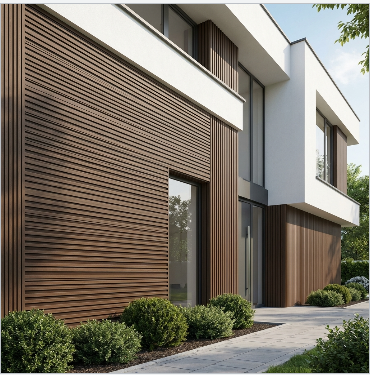
Taking acoustic comfort outside is now possible with panels specifically designed to withstand the elements. Outdoor-rated acoustic panels are built from durable, weather-resistant materials that can handle exposure to sun, rain, and fluctuating temperatures without degrading. They are perfect for reducing noise on restaurant patios, in open-air amphitheaters, or even in residential backyard spaces. These panels help create a more pleasant outdoor atmosphere by absorbing ambient noise, making conversations clearer and the environment more relaxing.
Durable Metal Panels
For high-traffic areas where durability is a top concern, metal acoustic panels are an excellent choice. Think busy hallways, public transit stations, gymnasiums, or industrial-style commercial spaces. These panels typically feature a perforated metal exterior with a sound-absorbing core inside. They offer robust protection against bumps and impacts while still delivering great acoustic performance. Plus, their sleek, modern aesthetic can be a deliberate design feature, pairing well with other strong elements like our custom steel doors to create a cohesive and resilient design.
How to Choose the Best Material
The material you choose for your acoustic panels does more than just define the room's style—it dictates how well the panels manage sound. Different materials absorb and diffuse sound waves in unique ways, so your choice will directly impact the acoustic environment you create. From natural wood to recycled felt, each option offers a distinct blend of performance and visual appeal. Understanding these differences is the key to finding the perfect fit for your project. Let’s walk through the most common materials so you can feel confident in your decision.
When you start exploring different acoustic wall panels, you’ll notice they are often made from a combination of materials. For example, wood slats are frequently mounted on a soft felt backing. This pairing is intentional: the dense wood helps scatter sound waves, while the porous felt absorbs them, giving you a one-two punch against unwanted noise. Other panels might use a core of dense mineral wool wrapped in a decorative fabric to maximize sound absorption without sacrificing style. As you compare options, think about both your aesthetic goals and your acoustic needs. Are you trying to quiet a busy open-plan office or add warmth and clarity to a home theater? The right material will help you achieve both.
The Classics: Fiberglass and Mineral Wool
Fiberglass and mineral wool are the workhorses of the sound-absorbing world. These dense, fibrous materials are incredibly effective at trapping sound waves and converting them into heat, which significantly reduces echo and reverberation. Many high-performance acoustic panels use a core of mineral wool, which is then wrapped in a decorative fabric. This approach gives you top-tier sound control with endless design possibilities, since you can choose a fabric that perfectly matches your decor. It’s a go-to solution for spaces where acoustic performance is the top priority, like home theaters, podcasting rooms, or recording studios.
The Eco-Friendly Choice: PET Felt Panels
If you’re looking for a modern and sustainable option, PET felt panels are a fantastic choice. These panels are made from recycled plastic bottles, making them an eco-friendly material that helps reduce waste. PET felt is lightweight, durable, and comes in a wide array of colors and shapes, allowing for creative and eye-catching installations. While offering solid sound absorption, their biggest draw is their design flexibility. You can use them to create geometric patterns, colorful accent walls, or subtle textured surfaces that quietly improve a room’s acoustics without overwhelming the space. They are a great fit for creative offices, schools, and contemporary homes.
Understanding Recycled Content
When you see a product described with "recycled content," it means part of it is made from materials that have been given a second life. A great example in the world of acoustics is PET felt, which is often manufactured from recycled plastic bottles. This process takes single-use plastics that would otherwise end up in a landfill and transforms them into durable, stylish, and high-performing acoustic panels. Opting for these sustainable materials doesn't mean you have to sacrifice quality or design. In fact, it allows you to create a space that is not only quieter and more beautiful but also kinder to the planet, meeting your project goals without compromising on your commitment to sustainability.
The Natural Look: Wood and Organic Fibers
For a look that’s both warm and sophisticated, nothing beats the combination of wood and natural fibers. Panels that feature real wood slats over a soft felt backing offer the best of both worlds. The wood surface helps to break up and scatter sound waves, preventing harsh echoes, while the felt layer behind it absorbs excess noise. This dual-action approach is highly effective and brings a touch of natural elegance to any room. These panels are perfect for creating a feature wall in an office, living room, or restaurant that is as beautiful as it is functional.
Finishing and Natural Variations in Wood
One of the greatest advantages of working with real wood is the creative control it offers. Many premium panels, like our Unfinished Wood Wall Panels, are supplied without a final finish for this very reason. This isn't an oversight; it's an opportunity for you to create a truly custom look. You can apply your own oil, wax, lacquer, or varnish to perfectly match your flooring, furniture, or overall color palette. This flexibility ensures the panels integrate seamlessly into your design, giving you a polished and cohesive result that feels intentional and unique to your space. It’s the ideal way to get the exact tone and sheen you’re looking for.
Because wood is a natural material, every panel has its own distinct personality. You can expect to see slight variations in color, grain patterns, and even small knots. These are not imperfections—they are the authentic markers of real wood that add to its beauty and charm. This natural character ensures that your installation is completely one-of-a-kind, bringing an organic warmth and texture to your walls that manufactured materials simply can't replicate. These subtle differences are what make wood such a timeless and sought-after material, adding depth and story to your design without affecting the panel's acoustic performance.
The High-Tech Option: Composite Materials
Manufacturers are constantly developing new materials that blend durability, style, and acoustic performance. Composite panels, like our Interior WPC Fluted Slat Wall Panels, are a great example. WPC (Wood-Plastic Composite) combines the classic look of wood with the resilience and moisture resistance of plastic, making it a durable choice for various environments. These materials are engineered to provide specific acoustic properties while offering unique textures and finishes that you can’t get with traditional options. They are ideal for anyone looking for a high-performance, low-maintenance solution with a contemporary edge in both commercial and residential settings.
Fabric-Wrapped Panels
Fabric-wrapped panels are a classic and highly versatile acoustic solution. At their core, they consist of a sound-absorbing material, like dense mineral wool, which is then covered in a decorative fabric. These panels are incredibly effective at soaking up sound, which helps to reduce echo and background noise in a room. The result is a space where conversations are clearer and the overall atmosphere feels much more controlled and pleasant. Because the fabric covering can be customized to match any color palette or design scheme, they offer a seamless way to integrate high-performance sound control into your existing decor without compromising on style.
The Importance of Acoustically Transparent Fabric
When it comes to fabric-wrapped panels, not just any material will do. The fabric must be "acoustically transparent," which means it's specially designed to let sound waves pass through it and reach the absorbent core inside. If you were to use a non-transparent material, like vinyl or a very tightly woven canvas, it would act like a barrier, reflecting the sound waves right back into the room. This would completely defeat the purpose of the panel. Choosing the right fabric ensures that the panel can do its job effectively, trapping and absorbing sound to create a quieter, more comfortable space.
Considering Fire-Rated Materials
Fire safety is a critical factor to consider, especially when you’re planning a project for a commercial space like an office, restaurant, or school. Many building codes require that materials used on walls and ceilings meet specific fire-resistance standards, often referred to as a Class A fire rating. When selecting acoustic panels, it’s important to check their fire rating to ensure they comply with local regulations. Many manufacturers offer panels with fire-rated core materials and fabrics. For trade professionals, verifying these specifications is a crucial step in any project, ensuring both safety and compliance. Our Trade Program can help you source materials that meet these stringent requirements.
How Do the Materials Compare?
When comparing materials, look for a Noise Reduction Coefficient (NRC) rating. The NRC is a simple score from 0 to 1 that tells you how much sound a material can absorb. A material with an NRC of 0 absorbs no sound, while a material with an NRC of 1 absorbs all sound. Most acoustic panels fall somewhere between 0.40 and 0.95. For a typical office or living room where you want to reduce background chatter, a mid-range NRC is usually sufficient. For spaces where sound control is critical, like a conference room or studio, you’ll want to look for a higher rating, like 0.90 or above, to achieve the best results.
How to Install and Care for Your Panels
Once you’ve chosen the perfect decorative acoustic panels, the next step is getting them on your wall and keeping them looking great. The good news is that both installation and maintenance are usually quite simple. With a little planning and care, your panels will continue to add style and function to your space for years.
Your Step-by-Step Installation Plan
Before you begin, take some time to map out your design. Measure your wall space carefully and decide on the best layout for both visual appeal and sound absorption. Most panels are made to be attached directly to your wall, making the process straightforward for a contractor or an ambitious DIYer. Depending on the material, you might use adhesives, clips, or screws. Always check the specific instructions for the wall panels you’ve selected, as installation methods can vary. A well-planned installation ensures your panels look professional and perform effectively from day one.
Achieving Maximum Sound Absorption
The effectiveness of an acoustic panel is all about its ability to absorb sound energy. This is measured using a rating called the Noise Reduction Coefficient, or NRC. The NRC scale runs from 0 to 1. A material with an NRC of 0, like painted concrete, absorbs no sound at all. A material with an NRC of 1.0 absorbs 100% of the sound that hits it. Most high-quality acoustic panels have an NRC rating of 0.85 or higher, meaning they absorb at least 85% of the sound. For most residential or office spaces, this level of absorption is more than enough to create a noticeably quieter and more comfortable environment.
Securing Your Panels Correctly
Most panels are made to be attached directly to your wall, making the process straightforward for a contractor or an ambitious DIYer. Depending on the material, you might use adhesives, clips, or screws. For a seamless look, a strong construction adhesive is often the best choice. If you prefer a less permanent solution or have heavier panels, a system of mounting clips or direct screwing into studs will provide extra security. Always refer to the manufacturer's guidelines for your specific panels to ensure you’re using the right method for a safe and lasting installation.
Strategic Placement for Optimal Results
Strategic placement is crucial for effective sound control. Before installing, assess your space to identify primary noise sources and reflection points. Think about the wall opposite your TV and speakers, or the area where conversations usually happen. Covering these key areas, rather than just one small wall, will provide the most significant improvement in sound quality and comfort. You don’t necessarily need to cover the entire wall; targeting these "first reflection points" where sound first bounces will interrupt echoes at their source and make the biggest impact on the room's acoustics.
Hiding Wires for a Clean Look
Nothing disrupts a clean design like a tangle of visible wires from your TV, speakers, or lighting. The great news is that you can hide wires behind the panels for a completely polished finish. With slat-style panels, like our Interior WPC Fluted Slat Wall Panels, you can easily tuck cables into the grooves between the slats, concealing them against the felt backing. This simple trick keeps your space looking tidy and professional, allowing the beauty of the panels to take center stage without any distracting clutter. It’s a small detail that makes a huge difference in the final look.
Keeping Your Panels Looking New
One of the best features of acoustic wall panels is how easy they are to maintain. For most materials, you can "just wipe them with a soft cloth to keep them looking nice." A dry microfiber cloth is perfect for dusting and removing any surface debris without scratching the finish. For minor smudges, a slightly damp cloth will usually do the trick. Avoid using harsh chemical cleaners, as they can damage the panel’s material and appearance. This simple routine is all it takes to preserve the beauty and integrity of your panels, making them a practical choice for busy commercial and residential spaces.
How Long Do Acoustic Panels Last?
When you invest in high-quality decorative panels, you’re choosing a solution that is "built to last a long time." These products are designed to withstand the demands of daily life in busy environments, from office lobbies to restaurant dining rooms. The durable materials resist fading, warping, and wear, ensuring your space looks polished for years. This long-term performance means you get lasting value, combining consistent sound control with enduring style. Exploring different Acoustic Wall Panels will help you find a durable option that fits your project’s specific needs and aesthetic goals.
Is It Time to Replace Your Panels?
While acoustic panels are incredibly durable, there may come a time when you need to replace them. Obvious signs include visible damage like cracks, deep scratches, or significant discoloration. You might also notice a decline in sound quality if the panels' absorptive materials have degraded over time. Remember, "the more acoustic panels you put up, the more sound they will absorb," so if a room starts feeling louder, it could be a sign that your current setup isn't performing as it used to. A refresh is also a great opportunity to update your interior design with a new color, texture, or pattern.
Ready to Find Your Perfect Acoustic Panels?
Finding the right acoustic panels shouldn’t be a challenge. Whether you’re a homeowner designing a quiet home office or a contractor outfitting an entire commercial building, we have the materials and expertise to bring your project to life. At USA Builders Depot, we combine functional sound control with high-end design, ensuring you never have to compromise on performance or style. Our extensive inventory and dedicated support make it simple to source everything you need from one reliable supplier. We’re here to help you create a space that looks incredible and sounds even better, with solutions tailored to your specific goals and budget.
Browse Our Acoustic Panel Collections
The first step to transforming your space is exploring what’s possible. Our curated wall panels are designed to reduce noise and unwanted echo while adding a distinct visual flair. From sleek, modern textures to the warm, natural appeal of unfinished wood, our collections offer something for every aesthetic. Many of our panels are engineered for straightforward installation, making them a great fit for both professional and DIY projects. Take a look at our diverse range of materials and finishes to find the perfect match that will quiet your room and complete your design vision.
Need a Custom Design? We Can Help
Sometimes a project calls for something completely unique. If our standard offerings don’t quite fit your vision, we can help you source custom solutions. Just like a bespoke suit, a custom-designed panel can be tailored to the exact needs of your space. This could mean cutting panels into specific shapes to create a feature wall, matching a brand’s exact color palette, or creating a large-scale pattern. Customization allows you to move beyond simple sound absorption and turn your walls into a true statement piece. Let us know what you have in mind, and we can work with you to find the right materials for your one-of-a-kind installation.
Talk to Our Team for Expert Advice
Choosing the right building materials can feel overwhelming, but you don’t have to do it alone. Our team is here to provide professional support every step of the way. Whether you have questions about acoustic performance ratings, need help comparing material options, or want advice on the best installation method for your project, we have the answers. We can guide you through our product specifications and help you calculate the exact quantity of materials you need, ensuring your order is right the first time. Think of us as part of your project team, dedicated to helping you achieve the best possible outcome.
Are You a Pro? Check Out Our Trade Program
For contractors, designers, and architects, we offer a trade program designed to make your job easier. Partnering with us gives you access to exclusive pricing, bulk discounts, and a streamlined ordering process. As a one-stop shop, we can supply everything from acoustic panels and steel doors to flooring and lighting, simplifying your procurement and logistics. We understand the unique demands of commercial projects and are committed to providing the high-quality materials and reliable service you need to exceed your clients’ expectations. You can learn more and apply for our Trade Program to start receiving benefits on your next project.
Final Checks Before You Buy
Selecting the right acoustic panels is about finding the perfect balance between aesthetics, performance, and price. With so many options available, it’s easy to feel overwhelmed. But by breaking down your decision into a few key steps, you can confidently choose panels that will look great and solve your sound control issues. Thinking through your budget, the specifics of your space, your acoustic goals, and the quantity you’ll need will set your project up for success from the start. This thoughtful approach ensures you invest in a solution that truly fits your needs and delivers the results you’re looking for. Let’s walk through the four main things to consider.
How to Budget for Your Project
First things first, let's talk money. Acoustic panel pricing can vary quite a bit depending on the material, design complexity, and size. Some panels are priced per square foot, while others are sold in kits for specific applications. To give you a ballpark, costs can range from around $14 per square foot to over $3,000 for a specialized kit. Having a clear budget in mind helps you narrow down your options and focus on what’s feasible for your project. As you browse different Acoustic Wall Panels, you’ll be able to quickly filter for products that fit your price range. If you’re a contractor or designer, remember to apply for our trade program to access exclusive pricing and bulk discounts.
Example Costs for Different Panel Types
To give you a clearer picture, let's look at some typical price ranges. A basic fabric-wrapped acoustic panel might start around $70, while more specialized designs or larger sizes can easily run into several hundred dollars each. PET felt panels, particularly those with 3D patterns, are often priced per square foot and can start around $15. If you're treating an entire room, you might consider acoustic panel kits, which can range from about $800 to over $1,800 depending on the room size and material quality. These examples show how much the final cost depends on the material, design, and the total area you need to cover, so comparing different types is the best way to find a solution that fits your budget.
Measure and Assess Your Space
Next, take a good look at the room where you plan to install the panels. The size, layout, and current use of the space will heavily influence your choice. Are you treating a large, open-concept office with high ceilings, or a cozy home recording studio? A bustling restaurant will have different needs than a quiet healthcare facility. Consider the existing decor and architectural elements. You’ll want panels that complement the room’s style, not clash with it. Think about how the panels will interact with other features like windows, doors, and lighting fixtures. Mapping out where the panels will go can help you visualize the final look and determine the right size and quantity.
What Level of Sound Control Do You Need?
What specific sound problem are you trying to solve? This is the most important question to answer. Are you trying to reduce echo and reverberation in a conference room to make calls clearer? Or do you need to absorb background chatter in a busy café to create a more pleasant atmosphere? Maybe you’re soundproofing a home office to improve focus. Different panels offer different levels of sound absorption, often measured by a Noise Reduction Coefficient (NRC) rating. The higher the NRC, the more sound the panel absorbs. By identifying your primary acoustic goal, you can select a panel with the right performance specs to effectively reduce unwanted noise and make your space more comfortable and functional.
Using an RT60 Calculator
To get a more scientific read on your room's acoustics, you can use an RT60 calculator. RT60, or reverberation time, is a measurement of how long it takes for sound to fade away in a space. A long RT60 means you have a lot of echo, while a shorter time means the room is more acoustically controlled. Online calculators let you plug in your room’s dimensions and the materials of your walls, floor, and ceiling. The tool then estimates your current RT60 and can help you figure out how much coverage you need with acoustic panels to reach your target sound quality. Tools like the one from GIK Acoustics can make this process much simpler, taking the guesswork out of planning your installation.
Thinking About a Large Order?
When it comes to acoustics, more is often better. While a few strategically placed panels can make a difference, treating larger surface areas will deliver more dramatic results. The more acoustic panels you install, the more sound they will absorb, creating a quieter and more controlled environment. For large rooms or spaces with significant noise challenges, planning for comprehensive coverage from the outset is the most effective strategy. If you’re a trade professional managing a commercial project, buying in bulk is also more cost-effective. We offer special pricing on large orders to help you stay on budget while delivering high-quality acoustic solutions for your clients. Our trade program is designed to support professionals with competitive pricing and dedicated service.
Requesting Samples Before You Commit
Before you make a larger investment, it’s always a good idea to see materials in person. Photos are great for inspiration, but they can’t quite capture how a material will look and feel in your own space with its unique lighting. That’s why it’s wise to order a few samples to see the colors and finishes firsthand. Many suppliers offer this option, and the cost can often be credited toward your final purchase. This step removes any guesswork, allowing you to ensure the materials and aesthetics align perfectly with your design vision before you commit to a full order. It’s a small, practical step that helps you confidently select the right panels for your project.
Ordering for Your Entire Project at Once
While a few strategically placed panels can certainly help, treating larger surface areas will deliver much more dramatic results. When it comes to acoustics, more is often better. The more acoustic panels you install, the more sound they will absorb, creating a quieter and more controlled environment. Ordering everything you need for your entire project at once is the most effective strategy. Not only does this ensure consistency in materials, like wood grain or dye lots, but it’s also more cost-effective. For trade professionals managing larger commercial projects, this approach can lead to significant savings. Our trade program is designed to support these larger orders with exclusive pricing and bulk discounts.
Related Articles
Frequently Asked Questions
How many acoustic panels do I actually need for my room? There isn't a single magic number, as the right amount depends on your room's size, the number of hard surfaces, and your specific acoustic goals. A good starting point for most spaces, like an office or living room, is to plan on covering about 15-25% of your wall surface. You can always start with one feature wall and add more if you feel the room still has too much echo. The key is to place them strategically on the walls that are causing the most sound reflection.
Will these panels completely soundproof my room? It's important to understand the difference between sound absorption and soundproofing. These decorative panels are designed for sound absorption, which means they are excellent at reducing echo and reverberation within a room to make it sound clearer and feel calmer. Soundproofing, on the other hand, is about blocking sound from entering or leaving a room, which typically requires structural changes like adding mass to your walls. So, while these panels will make your room much quieter, they won't stop you from hearing loud noises from the next room over.
Can I install these panels myself, or do I need a professional? Many of our acoustic panels are designed with straightforward installation in mind, making them a great project for a skilled DIYer. Most systems use common methods like construction adhesive or screws to attach directly to the wall. However, for larger commercial projects or intricate custom patterns, hiring a professional contractor will ensure a perfect, secure finish. We always recommend reviewing the specific installation guide for the panels you choose before you begin.
Besides walls, where else can I install acoustic panels? Ceilings are a fantastic and often underutilized surface for acoustic treatment. Because ceilings are large, flat surfaces, they can be a major source of sound reflection, especially in rooms with high ceilings or limited available wall space. Installing panels on the ceiling is a highly effective way to absorb sound without taking up any visual real estate on your walls, creating a calmer environment from above.
How do I choose between different materials like wood and felt? Your choice of material really comes down to balancing your design goals with your performance needs. If you want a warm, sophisticated look that adds a natural texture to your space, wood slat panels are an excellent choice because they both scatter and absorb sound. If you're aiming for a modern, colorful design and want an eco-friendly option, PET felt panels offer great creative flexibility. For spaces where maximum sound control is the top priority, like a home theater, panels with a dense mineral wool core will give you the highest level of performance.