



Acoustic Wall Panel: A Complete Buyer's Guide
Ever notice how a room can look perfect but still feel… off? That distracting echo in your living room or the constant clatter from the kitchen can completely ruin the vibe. This is where an acoustic wall panel becomes a game-changer. Forget the boring foam squares of the past—today’s panels are stunning design elements. From the warm texture of wood slat panels to sleek fabric options, they create a beautiful feature wall while quietly improving your room's sound quality. This guide will help you choose the right panels to integrate acoustic control seamlessly into your design.
Key Takeaways
- Clarify Your Goal: Sound Absorption vs. Soundproofing: Acoustic panels are designed to improve sound quality within a room by reducing echo and reverb. If your goal is to block noise from traveling between rooms, you'll need different soundproofing solutions.
- Prioritize Performance with the NRC Rating: The Noise Reduction Coefficient (NRC) is your best guide to a panel's effectiveness. For a noticeable difference in most spaces, look for panels with an NRC of 0.75 or higher to ensure you're getting a product that truly works.
- Treat Panels as a Design Element: Modern acoustic panels, like wood slat or custom fabric options, are meant to be seen. Use them to create a stylish feature wall that solves your sound issues while also adding texture, color, and warmth to your interior design.
What's the Science Behind Acoustic Wall Panels?
Have you ever been in a room where conversations feel loud and chaotic, even when people are speaking normally? That’s usually because of sound waves bouncing off hard surfaces like walls, floors, and ceilings. Acoustic wall panels are designed to solve this exact problem. Instead of reflecting sound, they absorb it, which helps to quiet a room and make speech easier to understand.
Think of an acoustic panel as a trap for sound. When sound waves hit the panel, they get caught in its porous material instead of bouncing back into the room. This process reduces echo (reverberation) and lowers the overall noise level, creating a more comfortable and functional environment. It’s not about creating total silence, but about controlling the sound you already have to make it better. Understanding this core function is the first step in choosing the right solution for your space, whether it’s a busy office, a home theater, or a bustling restaurant.
Sound Absorption vs. Soundproofing: What's the Difference?
One of the most important things to understand is that sound absorption and soundproofing are not the same thing. It’s a common point of confusion, but the distinction is simple: absorption controls sound inside a room, while soundproofing stops sound from traveling between rooms. Acoustic wall panels are designed for sound absorption. They improve the acoustical quality of a space by minimizing echo and reverb.
Soundproofing, on the other hand, is about isolation. It requires using dense, heavy materials to create a barrier that blocks sound waves from passing through walls or ceilings. While acoustic panels make a room sound clearer, they won’t stop you from hearing your neighbor’s TV. If your goal is to prevent sound transfer, you’ll need to look into different construction methods and materials.
How Panels Trap Unwanted Sound
So, how does an acoustic panel actually "soak up" sound? It all comes down to energy conversion. Sound travels in waves, carrying energy through the air. When these waves encounter a hard, flat surface like a painted wall, most of that energy reflects right back into the room. This is what creates echo and makes a space feel noisy.
Acoustic panels are made from soft, porous materials, like compressed mineral wool or fiberglass, often wrapped in fabric. When a sound wave hits the panel, it enters this fibrous material. As the wave moves through the tiny fibers, the sound energy is converted into a very small amount of heat due to friction. This process effectively neutralizes the sound wave, preventing it from reflecting. The result is a room with less echo, clearer sound, and a more peaceful atmosphere.
Debunking Common Myths About Acoustic Panels
Let's clear up a few common myths about what acoustic panels can and can't do. First, they do not create a completely silent, soundproof room. Their job is to improve acoustics by reducing reverb, not to eliminate all noise. You'll notice a significant difference in sound clarity and comfort, but the room won't become a vacuum.
Another myth is that acoustic panels block sound from leaving or entering a room. As we covered, their porous, lightweight design is perfect for absorbing sound waves, but it does little to stop sound transmission. True soundproofing requires mass and density, which these panels are not designed to provide. Finally, while hanging blankets might seem like a cheap alternative, professionally engineered acoustic panels are specifically designed and tested to absorb a broad range of frequencies for much more effective and consistent results.
A Guide to the Different Types of Acoustic Panels
Acoustic panels come in a variety of materials and styles, each designed to tackle sound issues while fitting different aesthetic goals. The best choice for your space depends on what you need to achieve, from reducing echo in a conference room to creating a cozy, quiet living area. Understanding the core differences between the most common types will help you find the perfect balance of performance and design for your project. Let’s look at the most popular options available.
Classic and Versatile: Fabric-Wrapped Panels
Fabric-wrapped panels are one of the most common and effective solutions for controlling noise. They consist of a core made from sound-absorbing material, like dense fiberglass or mineral wool, which is then wrapped in a decorative fabric. Think of them as sophisticated, sound-trapping cushions for your walls. These panels are incredibly versatile and are a popular way to fix problems with echo and reverb in offices, home theaters, and restaurants. Because they come in a huge range of fabric colors and textures, it’s easy to find an option that blends seamlessly into your existing decor or stands out as a design feature.
Modern and Stylish: Wood Slat Panels
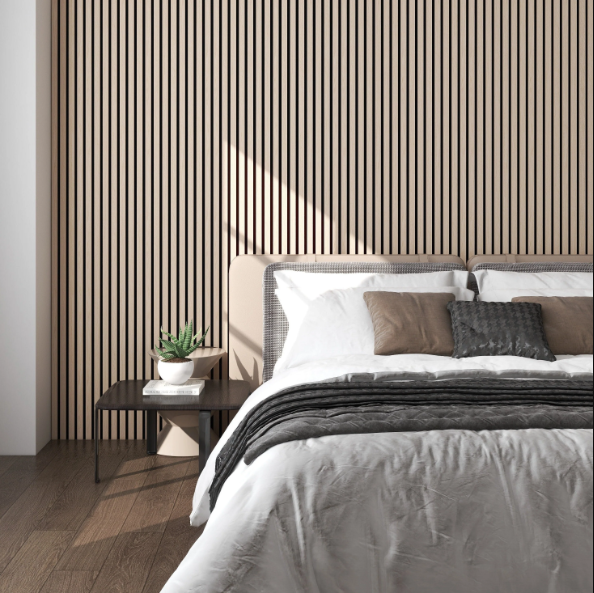
If you’re looking for acoustic control that adds warmth and texture, wood slat panels are an excellent choice. These panels feature thin strips of wood veneer mounted on a soft, sound-absorbing felt backing. This combination is brilliant because it works in two ways: the felt backing absorbs sound waves, while the wood slats help to break up and scatter any remaining sound, preventing harsh echoes. Acoustic wood wall panels are perfect for creating a modern, organic look in living rooms, lobbies, and studio spaces. They deliver high-end style without compromising on acoustic performance, making them a favorite among designers and architects.
Common Materials and Finishes
When selecting acoustic panels, the material you choose will define both the look and the acoustic performance. Wood slat panels, a popular choice for their modern aesthetic, typically use a real wood veneer over an MDF core, which is then mounted on a high-density acoustic felt. This felt backing does the heavy lifting of sound absorption. The wood itself comes in various finishes—you can find natural veneer panels that showcase the wood's original grain, unfinished options ready for your custom touch, or panels prepped for paint or stain. Beyond wood, you'll also find fabric-wrapped panels in countless colors and textures, as well as innovative PET felt panels, often made from recycled materials, which offer a softer, more minimalist look.
Understanding Natural Wood Variation
If you opt for acoustic panels with a real wood veneer, it’s important to remember that you’re working with a natural material. No two trees are exactly alike, and that means no two wood panels will be identical either. You should expect to see slight variations in color, grain pattern, and texture from one panel to the next. This isn't a defect—it's the signature of authentic wood. These unique characteristics are what give wood its warmth and character, ensuring your feature wall is a one-of-a-kind installation. Embracing this natural variation is key to achieving an organic, high-end design that feels connected to the natural world.
Functional and Affordable: Acoustic Foam Panels
Often seen in recording studios and gaming rooms, acoustic foam panels are made from a lightweight, open-cell foam material. They are typically shaped with pyramid or wedge patterns designed to maximize surface area for sound absorption. Foam is particularly good at taming mid-to-high frequency sounds, like flutter echoes and ringing noises. It’s important to remember that foam panels are for improving a room's acoustics, not for soundproofing. They will help reduce reverb and echo within a space but won’t stop sound from traveling through the walls to the next room. While highly effective for specific applications, they often have a more technical look than other panel types.
Sustainable Sound: Eco-Friendly Options
For those focused on sustainability, many acoustic panels are made from eco-friendly materials like recycled PET plastic, wood fiber, or mineral wool. Mineral fiber, in particular, is a powerhouse of sound absorption due to its dense, porous nature, which is excellent at trapping sound waves. These materials often form the core of fabric-wrapped and wood slat panels, providing the acoustic muscle behind the stylish finish. Choosing panels with these cores means you’re getting a product that is not only effective but also aligns with green building practices. They offer a responsible way to improve the acoustic environment of any room.
Composition of Eco-Friendly Panels
When you're choosing acoustic panels, what they're made of is just as important as how they look. Many high-performance panels are crafted with sustainability in mind, using materials that are both effective and environmentally responsible. A common component is recycled PET plastic, often sourced from single-use bottles, which is transformed into the soft, felt-like backing you see on many acoustic wood slat panels. This process not only diverts waste from landfills but also creates a highly effective sound-absorbing material. Other panels utilize natural fibers like wood wool, which offers a beautiful, organic texture while meeting strict sustainability standards from organizations like the Forest Stewardship Council (FSC).
Another excellent eco-friendly material found in the core of many acoustic panels is mineral wool. Known for its dense, porous structure, mineral wool is fantastic at trapping sound waves and reducing echo. It’s a sustainable choice that delivers serious acoustic performance. Some manufacturers are also taking sustainability a step further by using innovative, chemical-free binders. For example, certain fiberglass panels are made with technologies that avoid formaldehyde and phenols, which helps improve indoor air quality. By opting for panels made from these materials, you get a solution that creates a healthier, quieter space without compromising on your environmental values.
Why Your Space Needs Acoustic Wall Panels
Acoustic wall panels are much more than a technical fix for noisy rooms—they’re a fundamental element for creating spaces that feel comfortable, functional, and inviting. By managing how sound behaves in a room, these panels can transform a chaotic environment into a calm and clear one. Whether you’re designing a productive office, a welcoming restaurant, or a peaceful home theater, controlling sound is key to the user experience. The benefits extend beyond just quiet; they improve clarity, increase privacy, and even add a stunning design element to your walls. Let's look at the main reasons why incorporating acoustic wall panels is a smart move for almost any project.
Hear Every Word: Improve Sound Clarity
Have you ever been in a beautiful restaurant but couldn't hear the person across the table? Or tried to follow a presentation in a conference room where the speaker’s voice sounded muffled and distant? This is often caused by poor room acoustics. Acoustic panels solve this by absorbing stray sound waves that would otherwise bounce around and create a jumble of noise. By soaking up this excess sound, they make speech and audio significantly clearer. This means conversations are easier to follow, music sounds richer, and movie dialogue is crisp. Improving sound clarity makes a space more functional and enjoyable for everyone in it.
Say Goodbye to Annoying Echo and Reverb
Echo and reverberation are the main culprits behind rooms that feel loud and overwhelming. Reverb is the persistence of sound after the original sound has stopped, creating a lingering trail of noise. It’s especially noticeable in spaces with high ceilings and hard surfaces like concrete, glass, or tile. While a little reverb can add warmth to music, too much of it muddles sound and makes a room feel chaotic. Acoustic panels are designed to stop sound from bouncing around, effectively taming that echo. This creates a calmer, more controlled auditory environment, making the space feel more comfortable and less stressful.
Create a More Private and Productive Space
In open-plan offices, home offices, or even clinical settings, background noise can be a major source of distraction. The constant hum of conversations, phones ringing, and footsteps makes it difficult to focus. Acoustic panels help by absorbing ambient sound, creating quieter zones where concentration can flourish. This not only helps with productivity but also improves speech privacy. When sound is absorbed rather than reflected, private conversations are less likely to travel across the room. For contractors and business owners, this is a critical benefit for creating a more effective and confidential work environment, and our trade program can help you get the materials you need.
Marrying Function with High-End Design
Long gone are the days when acoustic treatment meant sticking boring foam squares on the wall. Today’s acoustic panels are designed to be a seamless part of your interior design. They come in a huge variety of materials, colors, and shapes that can complement any aesthetic. For instance, wood slat panels add natural warmth and texture while providing excellent sound absorption. You can use panels to create a stunning feature wall, add a pop of color, or blend them discreetly into the existing decor. This dual-purpose functionality means you never have to sacrifice style for sound control; you can achieve a beautiful, peaceful space all at once.
Best Places to Use Acoustic Wall Panels
Acoustic panels are incredibly versatile, and you can find them in any space where sound quality and noise control matter. From bustling public venues to quiet private rooms, their job is to absorb unwanted sound waves, making the environment more pleasant and functional. While the applications are nearly endless, some spaces benefit more than others. Here are a few of the most common and effective places to install acoustic wall panels.
For Focused Work: Offices and Co-Working Spaces
Open-plan offices are great for collaboration, but they can be a nightmare for concentration. Constant chatter, ringing phones, and keyboard clicks create a distracting environment. Acoustic wall panels are one of the best ways to manage excess echo and noise in a room, making it easier to hear conversations clearly and lowering the overall sound level. By absorbing ambient noise, panels help create quieter work zones, improve focus, and increase productivity. They also enhance speech privacy in conference rooms and private offices, ensuring confidential conversations stay that way.
For Better Ambiance: Restaurants and Cafes
The lively buzz of a restaurant is part of the experience, but when the noise level gets too high, it can overwhelm diners and staff. Hard surfaces like concrete floors, large windows, and high ceilings cause sound to bounce around, amplifying the clatter of dishes and overlapping conversations. Installing acoustic panels helps absorb that excess noise, creating a more comfortable and intimate dining atmosphere. This simple change can encourage guests to relax, stay longer, and enjoy their meals without having to shout across the table.
For Clearer Learning: Schools and Classrooms
A classroom is a place for learning, but it’s hard for students to focus when they can’t hear the teacher clearly. Poor acoustics in classrooms, libraries, and auditoriums can hinder comprehension and create a stressful environment. By reducing echo and dampening background noise, acoustic panels create a space where every student can hear and engage with the lesson. This not only supports student learning but also reduces vocal strain for teachers, making the classroom a more effective and pleasant space for everyone.
For Perfect Sound: Home Theaters and Studios
In a home theater or a recording studio, sound quality is everything. Acoustic wall panels are specifically designed to mitigate sound reflections that can muddy audio and create distracting echoes. In a home theater, this means dialogue is crisp and sound effects are immersive, just as the director intended. For recording studios, panels are essential for capturing clean, professional-grade audio without unwanted reverberation. They help control how sound behaves in a room, ensuring the final product is clear, balanced, and precise.
How to Choose the Right Acoustic Panels for Your Room
Choosing the right acoustic panels is about finding the perfect blend of performance and style for your space. It’s not just about quieting a room; it’s about creating an environment that feels comfortable and looks great. To get it right, you’ll want to think about the room’s specific sound issues, understand a few key technical terms, and consider how the panels will fit into your overall design. Breaking it down into these simple steps makes the process straightforward and ensures you end up with a solution that truly works.
First, Figure Out Your Room's Sound Problems
First, pinpoint the exact problem you're trying to solve. Are conversations in your open-concept kitchen echoing off the hard surfaces? Does your home office feel noisy and distracting during video calls? Maybe the sound in your home theater feels muddy and unclear. Acoustic wall panels are designed to absorb sound waves, which reduces that frustrating echo and reverb. A simple way to test your room is to stand in the center and clap loudly. If you hear a lingering ringing or flutter, you’ll benefit from sound absorption. Rooms with high ceilings, large windows, and hardwood or tile floors are prime candidates for acoustic treatment.
What Is an NRC Rating and Why Does It Matter?
When you start comparing panels, you’ll see a specification called the Noise Reduction Coefficient, or NRC. This is the most important number for measuring a panel’s performance. The NRC is rated on a scale from 0 to 1, where 0 means the material reflects all sound and 1 means it absorbs all sound. For example, a panel with an NRC of 0.80 absorbs 80% of the sound that hits its surface. For most homes and offices, choosing panels with an NRC of 0.75 or higher will provide a noticeable improvement in sound quality. This simple rating helps you cut through the marketing and focus on how effective a product will actually be.
Factor in Your Room's Size and Layout
The amount of acoustic coverage you need depends on your room’s dimensions and how you use it. A good starting point is to cover about 15–20% of the total wall surface area. For the best results, don’t just put all the panels on one wall. Instead, distribute them evenly throughout the space, placing them at key reflection points. These are the spots on your walls and ceiling where sound bounces directly from the source (like your TV speakers) to where you listen. In larger rooms or commercial spaces, spreading panels across opposing walls helps capture sound waves traveling in different directions, creating a more balanced and pleasant acoustic environment.
Find a Style That Matches Your Aesthetic
Acoustic panels have come a long way from the boring, functional squares of the past. Today, they are a key part of interior design. Think about the look you want to achieve. Do you prefer the warm, natural texture of wood slat panels for a modern or biophilic design? Or would you prefer sleek, fabric-wrapped panels that can add a bold color or blend seamlessly into your existing walls? The right panels should solve your sound problems without compromising your style. They can act as a statement art piece, a subtle textural element, or a functional backdrop that enhances both the sound and the aesthetic of your room.
Exploring 3D and Textured Designs
If you want your walls to be a focal point, 3D and textured designs are the perfect way to turn sound control into a statement piece. Imagine lightweight felt panels with repeating geometric patterns that create a stunning, eye-catching feature on your wall. These panels combine good looks with practical sound benefits, making rooms quieter by reducing echoes. Another popular choice is textured panels, like the acoustic wood slat panels that have become a designer favorite. They feature thin wood veneers mounted on a soft, sound-absorbing felt backing, often made from eco-friendly materials like recycled PET. This combination is brilliant—the felt absorbs sound waves, while the wood slats add warmth and help scatter any remaining sound. It’s the ideal approach for anyone who wants high-end style without sacrificing effective acoustic performance.
Your Pre-Purchase Checklist for Acoustic Panels
Once you’ve narrowed down your options, a few final considerations will ensure your project is a success from purchase to installation. Thinking through the logistics of installation, safety codes, budget, and upkeep will help you make a confident final decision.
DIY or Pro? Planning Your Installation
Before you buy, think about how the panels will be installed. Many modern acoustic wall panels are designed for straightforward installation, making them a great weekend DIY project. Common methods include using construction adhesive, special mounting clips, or simply screwing them into the wall. If you’re not comfortable doing it yourself or are covering a large, complex area, hiring a professional is always a good option. Review the product specifications for installation requirements to decide which path is right for you.
What Surfaces Can You Install Panels On?
One of the best things about modern acoustic panels is their versatility. You can install them on almost any interior wall surface, whether you're working with standard plasterboard, exposed brick, or even concrete. This flexibility means you don't have to do extensive prep work on your walls before getting started. The key is to ensure the surface is clean, dry, and relatively flat. For most installations, a strong construction adhesive is all you need to secure the panels, making it a straightforward project for both DIY enthusiasts and professional contractors looking to upgrade a space quickly and effectively.
Advanced Installation for Better Sound Absorption
If you're aiming for the absolute best acoustic performance, especially in a home theater or studio, you can take your installation a step further. For maximum sound absorption, create a small air gap behind the panels. You can do this by first screwing timber battens to the wall and then mounting the acoustic panels onto the battens. This gap allows sound waves to be trapped and dissipated even more effectively. To get even better results, you can fill the space between the battens with sound-insulating material like Rockwool before attaching the panels. This professional method significantly improves the panel's ability to absorb low-frequency sounds.
Using Panels in Kitchens and Bathrooms
While acoustic panels are designed for indoor use, you can absolutely use them in kitchens and bathrooms with a bit of planning. The main rule is to avoid areas with direct water contact. For example, you wouldn't want to use them as a backsplash behind a sink or inside a shower. However, they are perfect for a feature wall in a dining area of a kitchen or on a bathroom wall away from the tub or vanity. For these moisture-prone rooms, it's a good idea to apply a water-resistant finish to the panels to protect them from humidity and occasional splashes, ensuring your stylish acoustic solution lasts for years.
Don't Forget Fire Safety and Building Codes
Safety should always be a top priority, especially for commercial projects or public spaces. Building materials often need to meet specific fire safety standards, such as a Class A fire rating, which indicates the material is highly resistant to flame spread. Local building codes can vary, so it’s smart to check the requirements in your area before purchasing. For contractors and designers, our trade program can help ensure you get materials that meet all necessary compliance standards for your project.
How to Set a Realistic Budget
Acoustic panel prices can vary widely based on materials, size, acoustic performance (NRC rating), and design. You can find everything from affordable basic panels to high-end, custom-designed systems. Determine your budget ahead of time, but also consider the long-term value. A slightly more expensive panel might offer better durability and sound absorption, saving you money down the road. Explore different types of wall panels to get a feel for pricing and find an option that balances cost with your acoustic and aesthetic goals.
Understanding Panel Sizing and Dimensions
When you're picking out acoustic panels, getting the dimensions right is crucial for both aesthetics and performance. While you can find custom options for unique spaces, many panels come in standard sizes like 2 feet by 4 feet. A great rule of thumb is to plan on covering about 15–20% of your wall surface area to make a real difference in sound quality. But don't just think about length and width—thickness is just as important. Panels that are at least 2 inches thick are much more effective at absorbing low-frequency sounds, like the bass from a movie or music. By balancing the panel dimensions with the right thickness, you can choose a setup that not only fits your design but also effectively tackles your room's specific sound issues.
Think About Long-Term Care and Durability
Think about the environment where your panels will be installed. A high-traffic hallway will require more durable materials than a quiet home office. Wood slat panels, for example, are incredibly durable and easy to clean. Fabric-wrapped panels are also built to last, but it’s important to choose a high-quality, acoustically transparent fabric that won’t hinder performance. Most panels require very little upkeep—usually just a light dusting or vacuuming. Checking the maintenance needs beforehand ensures your panels will look and sound great for years to come.
Try Before You Buy: Ordering Samples
You wouldn't choose a paint color without testing a swatch on your wall, and the same principle applies to acoustic panels. Colors and textures can appear very different online compared to how they look in your home's specific lighting. This is why ordering samples is such a crucial step. It gives you the chance to see and feel the material, hold it up against your furniture, and confirm that the finish is exactly what you envisioned. Many suppliers, like Acupanel®, offer sample boxes that let you compare different styles side-by-side. This hands-on approach removes the guesswork and helps you make a confident decision, ensuring the panels you choose will perfectly complement your design.
Check Shipping, Stock, and Return Policies
Before you finalize your purchase, take a moment to review the less exciting but equally important details: shipping, stock, and returns. A clear understanding of these policies can save you from major headaches down the road. Check the shipping costs and estimated delivery times to ensure they align with your project timeline. It's also smart to confirm that the panels you want are in stock, as backorders can cause significant delays. Finally, read the return policy carefully. What happens if a panel arrives damaged, or if you simply change your mind? A reputable supplier will have straightforward policies. For example, at USA Builders Depot, we offer fast nationwide shipping to get your materials to you efficiently.
What's Trending in Acoustic Panel Design?
Acoustic panels have officially moved beyond the recording studio and into the spotlight of interior design. They are no longer just a functional fix for noisy rooms; they’re a powerful design tool used to create stunning feature walls and inviting atmospheres. As technology and materials evolve, so do the creative possibilities. Staying on top of the latest trends can help you choose panels that are not only effective but also perfectly align with your aesthetic vision, whether you're designing a productive office or a peaceful home.
Bringing the Outdoors In with Natural Designs
One of the biggest trends right now is biophilic design, which is all about bringing elements of nature indoors to create a more calming and restorative environment. This approach uses natural materials, textures, and patterns to help us feel more connected to the outdoors. Acoustic wood wall panels are a perfect example of this trend in action. The clean lines of wood slats add warmth and organic texture to a room, all while absorbing unwanted sound. This blend of natural beauty and acoustic function helps create spaces that not only look beautiful but also feel genuinely peaceful and support our well-being.
Panels That Do More: Smart and Multifunctional
In modern design, every element is expected to work harder, and acoustic panels are no exception. The trend toward multifunctional design means panels are being integrated with other features to add more value to a space. Imagine acoustic panels with built-in LED lighting that provides ambient light while controlling sound, or panels that double as whiteboards or magnetic surfaces in an office. This approach is all about creating smarter, more efficient environments. By combining acoustics with other functionalities, you can solve multiple design challenges with a single, elegant solution, keeping spaces uncluttered and highly adaptable.
Integrating Accessories like Lighting and Shelving
Acoustic panels provide a beautiful backdrop that you can easily build upon. Think of your new feature wall as a canvas for other design elements. One of the most popular ways to do this is by integrating ambient lighting. Tucking slim LED strips between wood slats or along the edge of fabric panels creates a soft, modern glow that highlights the texture and turns the wall into a true focal point. You can also add sleek floating shelves to display art, plants, or books, which adds functionality and visual depth. These accessories don't just sit on top of the panels; they work with them to create a dynamic, layered look that is both practical and stylish.
Create Your Own Look with Modular Systems
Gone are the days of one-size-fits-all solutions. Modular and customizable acoustic panels are gaining popularity because they offer complete design freedom. These systems allow you to mix and match different shapes, sizes, and colors to create a truly unique installation that looks like a piece of art. This flexibility is ideal for commercial spaces that need to adapt over time or for homeowners who want to make a personal statement. For designers and contractors, custom solutions make it possible to design a feature wall that is perfectly scaled to the room and tailored to the client’s specific style, turning a functional necessity into a creative centerpiece.
Going Green: The Rise of Sustainable Materials
As we all become more environmentally conscious, the demand for sustainable building materials has grown significantly. The good news is that you don’t have to compromise on performance to make an eco-friendly choice. Many of today’s top-performing acoustic panels are constructed from recycled, renewable, or natural materials. This focus on sustainable innovation means you can improve your room’s sound quality while also making a choice that’s better for the planet. From panels made of recycled plastics to those crafted from sustainable wood, green options are becoming more accessible and stylish than ever.
Where Can You Buy High-Quality Acoustic Panels?
Once you’ve decided to add acoustic panels to your space, the next step is finding the right ones from a reputable source. Unlike paint or furniture, high-performance acoustic panels aren't typically something you can pick up at a local big-box store. They are specialized products, and knowing where to look can save you time and ensure you get a product that actually works. The best suppliers offer a range of materials, styles, and price points, along with the expertise to help you make the right choice for your project, whether it's a single room or an entire office building.
How Much Do Acoustic Panels Cost?
The cost of acoustic panels can vary significantly, so it’s helpful to have a budget in mind. You might find a single, basic wood fiber panel for under ten dollars, while a comprehensive kit for a large room could cost well over a thousand. This wide range is due to differences in materials, size, acoustic performance (NRC rating), and design. For example, simple fabric-wrapped panels will be more affordable than custom-milled wood slat panels with premium veneers. Think about your total project scope—are you treating a small vocal booth or a large, open-plan office? This will help you determine a realistic budget.
Example Price Points
To give you a clearer picture of the investment, let's look at a few real-world examples. For a high-end, stylish look, you might find Natural Oak Acoustic Slat Wood Wall Panels starting around $219.99 per box. If you're working with a more modest budget, options like Harmony3D Acoustic Felt Wall Panels are a great choice, priced at about $48.00 per panel, which works out to a more accessible $14.29 per square foot. Some suppliers offer a broad selection of acoustic wall panels with prices ranging anywhere from $49.99 to $169.99. These examples show that there's a solution available for nearly every budget, allowing you to find the right balance between cost, style, and performance for your project.
What Factors Influence the Final Price?
Several key factors influence the price of acoustic panels. The core material is a major one; high-density mineral wool or fiberglass generally costs more than acoustic foam but offers superior sound absorption. The outer fabric also plays a role. It needs to be acoustically transparent, meaning sound can pass through it to the absorptive core, and designer fabrics will naturally cost more. Customization is another factor. Since many acoustic panels are made to order, any custom sizes, shapes, or finishes will add to the final price. Finally, a higher NRC rating often correlates with a higher cost, as it indicates more effective sound absorption.
Finding a Supplier and Saving on Your Project
Look for a supplier that specializes in building materials and offers a diverse selection of acoustic solutions. A good partner will provide detailed product specifications and be able to answer your questions about installation and performance. Don’t hesitate to ask for samples to see how different finishes and fabrics look in your space. If you’re a contractor, designer, or builder, check if the supplier has a trade program. Signing up for a trade account can give you access to bulk discounts and specialized support, making it more affordable to outfit large projects. Finally, always check customer reviews to ensure you’re working with a company known for quality products and reliable service.
Look for Sales and Trade Discounts
High-quality acoustic panels are an investment, but you don't always have to pay the full list price. It’s always a good idea to keep an eye out for seasonal sales or limited-time promotions, as these can be great opportunities to get the materials you need at a lower cost. For industry professionals, the savings can be even more significant. If you’re a contractor, designer, or builder, one of the best ways to manage project costs is by signing up for a trade program. These programs are designed to support your business with exclusive pricing and bulk discounts. For instance, applying for a trade account can give you access to the best possible pricing on high-performance acoustic panels, helping you stay on budget and deliver more value to your clients.


